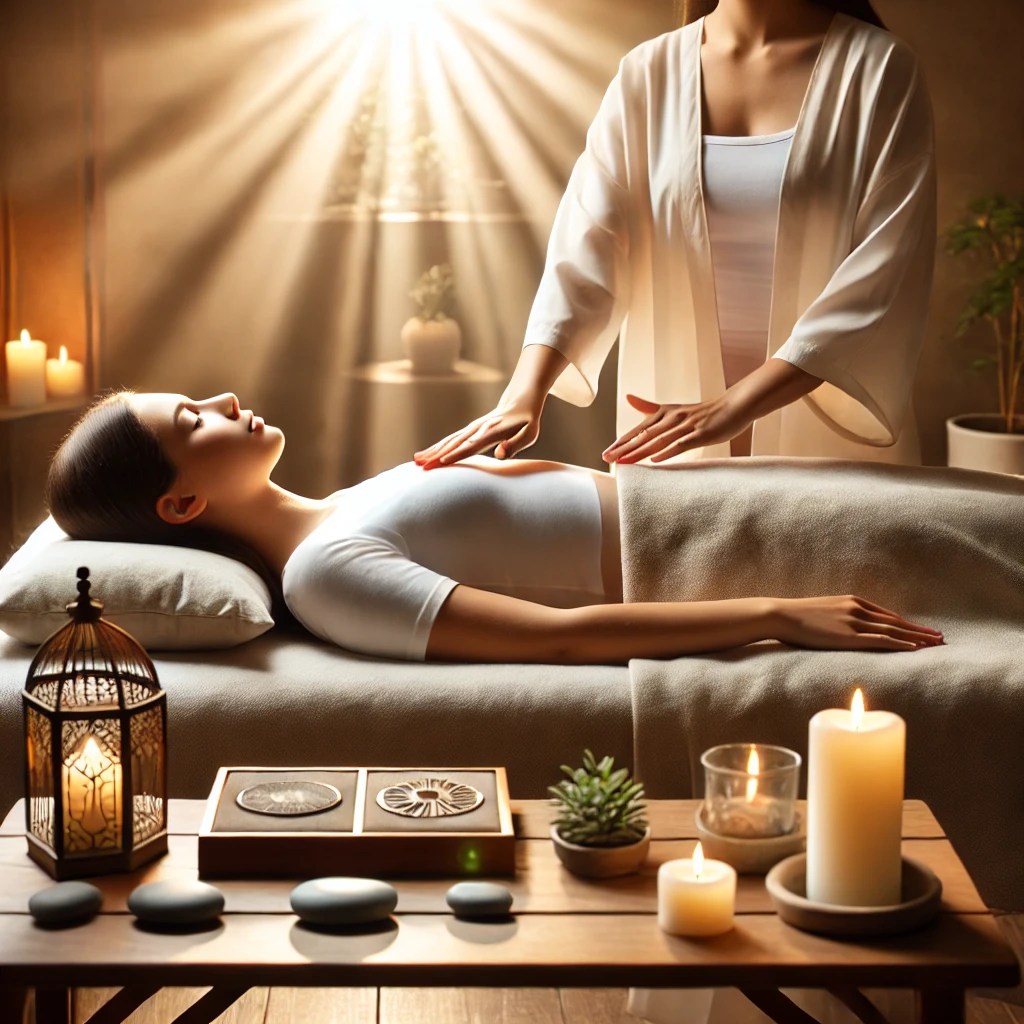
If you’re curious about Reiki and how it can help you, you’re in the right place. Whether you’re new to energy healing or just starting to explore Reiki, understanding the basics can empower you to decide if this gentle practice resonates with your wellness journey.
What is Reiki?
Reiki is a Japanese healing technique that uses universal life force energy to promote physical, emotional, and spiritual wellness. The word “Reiki” is derived from two Japanese words: “Rei” meaning universal and “Ki” meaning life energy. This energy flows through all living beings, and when it’s balanced and free-flowing, we experience better health, peace, and harmony. When the energy is blocked or disrupted, it can lead to stress, illness, or emotional imbalance.
Reiki practitioners use their hands to channel this energy into the recipient’s body. It’s a non-invasive, deeply relaxing experience that promotes healing on all levels.
The Principles of Reiki
Reiki is grounded in five core principles that help guide the practitioner’s approach to life and healing. These principles serve as a foundation for personal growth, mindfulness, and compassion:
- Just for today, I will not be angry.
- Just for today, I will not worry.
- Just for today, I will be grateful.
- Just for today, I will do my work honestly.
- Just for today, I will be kind to every living thing.
These principles are not only important for Reiki practice but also for living a balanced, mindful life. They encourage a sense of peace and tranquility in both the practitioner and the client.
What Happens During a Reiki Session?
If you’re considering a Reiki session, you might wonder what to expect. Here’s a breakdown of what typically happens during a session:
- Pre-session Discussion: Before the session begins, the practitioner will ask about any areas of concern or goals you have for the session. This helps tailor the experience to your needs, whether you’re seeking relaxation, pain relief, or emotional healing.
- Relaxing Environment: A Reiki session usually takes place in a peaceful, quiet setting where you can fully relax. You will remain fully clothed, as Reiki is non-invasive and doesn’t require physical manipulation. Most people lie down on a massage table, though the session can also be done while sitting if necessary.
- Energy Flowing: The practitioner will gently place their hands near specific areas of your body. You may feel a warm or tingling sensation as the energy flows. Some people experience deep relaxation, others may feel emotions or memories come to the surface. It’s perfectly normal for each session to feel different.
- Post-session Reflection: After the session, the practitioner may check in with you to see how you feel and discuss any insights or sensations that came up. Reiki works deeply, and the benefits may continue to unfold in the days following the session.
What Can Clients Expect After a Reiki Session?
Many clients report feeling relaxed, calm, and lighter after a Reiki session. Some may experience emotional shifts or insights into personal issues, while others may notice relief from physical discomfort. It’s common to feel a sense of peace and balance that lingers after the session.
It’s important to drink plenty of water following a Reiki session, as it helps to support the body in processing the energy. Each person’s experience with Reiki is unique, and the results may vary, but most people find that regular sessions offer long-term benefits to their overall well-being.
Is Reiki Right for You?
Reiki is a safe, gentle healing practice that can complement traditional medical treatments, enhance relaxation, and support personal growth. If you’re seeking relief from stress, emotional blockages, or physical discomfort, or if you’re simply looking to enhance your self-care routine, Reiki may be a perfect fit for you.
Ready to experience the power of Reiki for yourself? Book a session today and begin your journey toward balance, healing, and peace.
 Simply Sherri
Leave a comment